1. What Is a Content Funnel
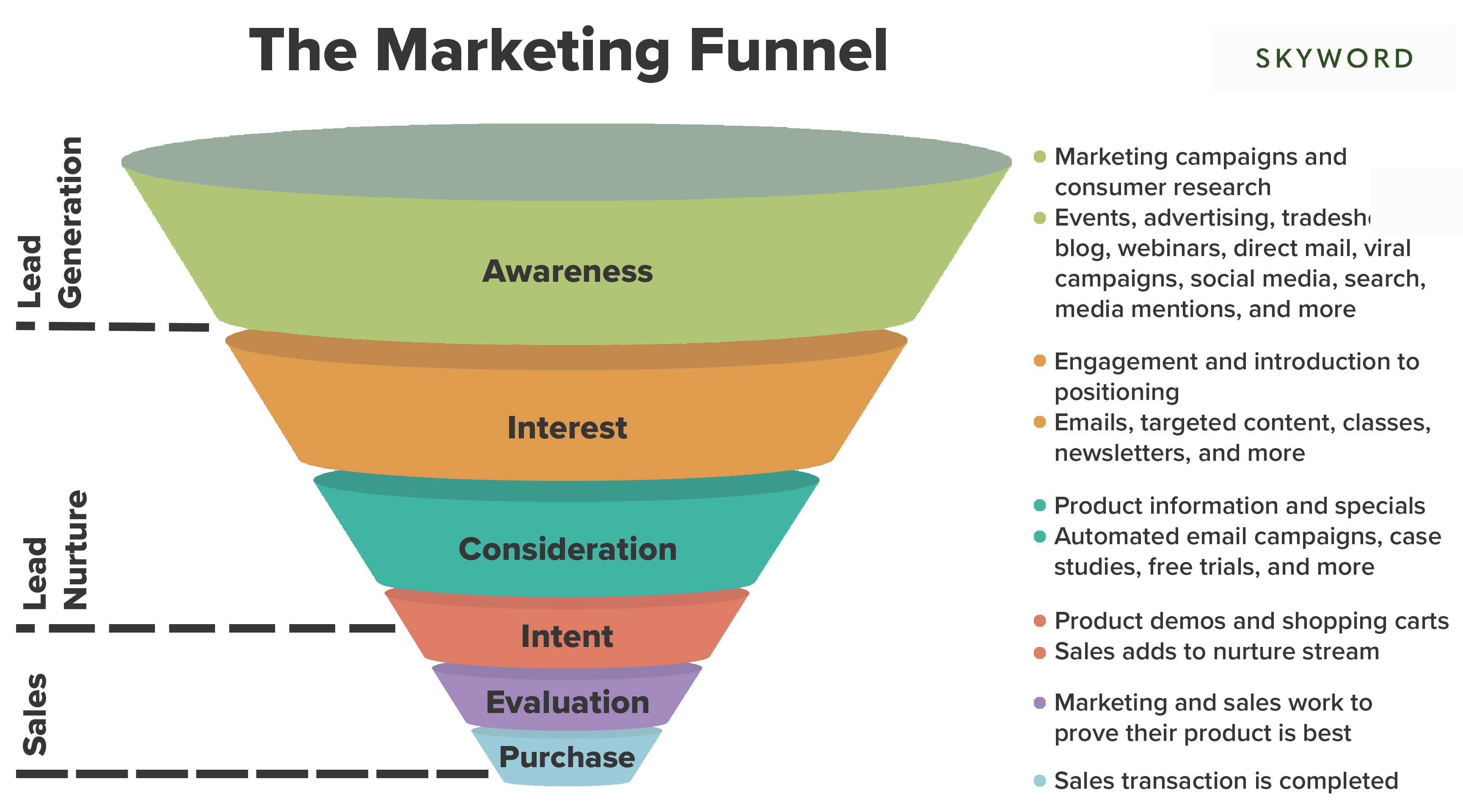
A content funnel is a structured system of content designed to move users through different stages of the buyer journey. Each stage answers specific questions and supports a specific goal, from awareness to conversion and retention.
Unlike linear sales funnels, content funnels focus on education and value first.
2. Why Content Funnels Matter
Content funnels create consistency and direction. They help you:
- Attract qualified traffic
- Nurture trust over time
- Reduce friction in decision-making
- Increase conversion rates
Without a funnel, content often feels disconnected and underperforms.
3. Understand the Funnel Stages

Most content funnels follow three core stages:
- Top of Funnel (TOFU): Awareness and discovery
- Middle of Funnel (MOFU): Consideration and evaluation
- Bottom of Funnel (BOFU): Decision and conversion
Each stage requires different content types and messaging.
4. Create Top-of-Funnel Content
TOFU content attracts new audiences who are just becoming aware of a problem or opportunity.
Effective TOFU content includes:
- Blog posts
- Educational videos
- Social media content
- SEO-driven articles
The goal is visibility, not selling.
5. Build Middle-of-Funnel Content
MOFU content nurtures leads who are actively researching solutions.
Examples include:
- Case studies
- Comparison guides
- Email sequences
- Webinars
- Downloadable resources
This stage builds authority and trust while positioning your brand as a solution.
6. Develop Bottom-of-Funnel Content
BOFU content supports decision-making and conversion.
Effective BOFU content includes:
- Product or service pages
- Testimonials and reviews
- Demos or consultations
- Pricing and feature breakdowns
Clarity and reassurance matter most here.
7. Align Content with Search Intent
Each funnel stage should align with user intent.
For example:
- Informational intent fits TOFU content
- Commercial investigation fits MOFU content
- Transactional intent fits BOFU content
Intent alignment improves engagement and conversion efficiency.
8. Connect Content with Clear CTAs
Every piece of content should guide users to the next step.
Examples:
- Blog post → downloadable guide
- Guide → email nurture sequence
- Email → consultation or purchase
CTAs should feel helpful, not forced.
9. Use Internal Linking to Support the Funnel
Internal links move users naturally through funnel stages. They also:
- Increase dwell time
- Improve SEO
- Reduce bounce rates
Strategic linking keeps users engaged longer.
10. Measure Performance and Optimize
Track metrics by funnel stage:
- Traffic and engagement for TOFU
- Lead quality and email engagement for MOFU
- Conversions and revenue for BOFU
Refine underperforming stages regularly.
Conclusion
A successful content funnel turns random content into a strategic growth engine. By guiding users through awareness, consideration, and decision stages with purpose-driven content, you create a smoother experience and stronger results. Content funnels build trust first, and conversions follow naturally.