Behavioral email targeting is a sophisticated strategy that involves sending personalized emails based on customer behavior, such as browsing history, purchase activity, and engagement with previous emails. This approach allows marketers to deliver highly relevant content to their audience, boosting engagement and conversions. This blog post will delve into the benefits, strategies, and best practices for mastering behavioral email targeting.
The Benefits of Behavioral Email Targeting
Increased Relevance and Engagement
Behavioral email targeting ensures that your emails' content is highly relevant to the recipient. When emails are tailored to customers' interests and actions, they are likelier to engage with the content and take the desired action.
Higher Conversion Rates
Personalized emails based on behavior are more effective at driving conversions than generic emails. By sending targeted offers and recommendations, you can increase the likelihood of customers purchasing or completing a desired action.
Improved Customer Experience
When customers receive emails that are relevant to their needs and interests, it enhances their overall experience with your brand. This can lead to increased loyalty and higher lifetime value.
Enhanced Data Insights
Implementing behavioral email targeting provides valuable insights into customer behavior and preferences. Analyzing this data can help refine your marketing strategies and improve overall campaign performance.
Key Strategies for Behavioral Email Targeting

Segmentation Based on Customer Behavior
Effective behavioral email targeting begins with segmentation. Divide your email list into segments based on specific behaviors like purchase history, browsing activity, and engagement with previous emails. This allows you to send targeted messages to each segment.
Triggered Emails
Triggered emails are automated messages sent in response to specific customer actions. Common types of triggered emails include:
- Welcome Emails: Sent when a new subscriber joins your email list.
- Abandoned Cart Emails: Sent when a customer adds items to their cart but does not complete the purchase.
- PostPurchase Emails: Sent after a customer makes a purchase, including order confirmations, thank you messages, and product recommendations.
- ReEngagement Emails: Sent to inactive subscribers to encourage them to reengage with your brand.
Personalized Product Recommendations
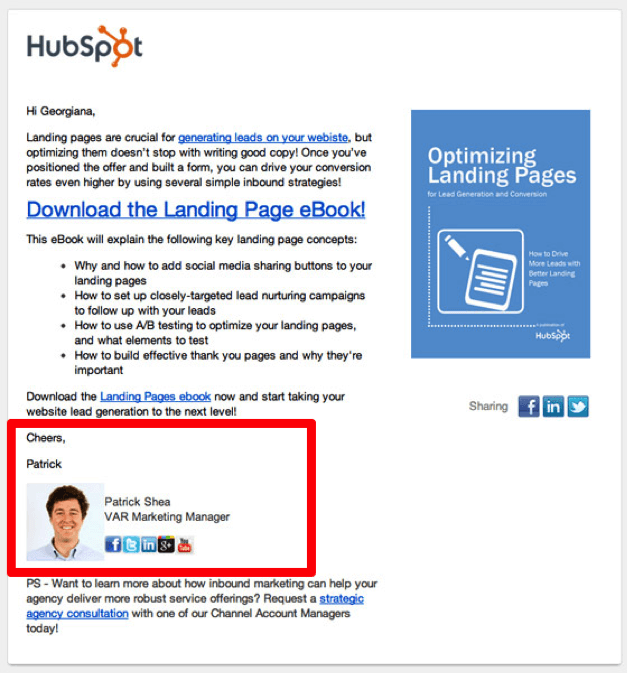
Use data on past purchases and browsing behavior to send personalized product recommendations. This can effectively drive repeat purchases and increase average order value.
Dynamic Content
Incorporate dynamic content into your emails to personalize the message for each recipient. Dynamic content allows you to display different blocks based on customer behavior, ensuring that each email is highly relevant.
Best Practices for Behavioral Email Targeting
Use Clear and Compelling Subject Lines
The subject line is the first thing recipients see, so make it clear and compelling. To increase open rates, highlight the relevance of the email to their behavior.
Focus on Timing
Timing is crucial in behavioral email targeting. To ensure relevance, send triggered emails promptly after the customer action. For example, send abandoned cart emails within a few hours of the cart's abandonment.
Maintain a Consistent Tone and Brand Voice
Ensure that your emails maintain a consistent tone and brand voice. This helps to build trust and recognition with your audience.
Monitor and Analyze Performance
Monitor the performance of your behavioral email campaigns regularly. Analyze metrics such as open rates, clickthrough rates, and conversion rates to identify areas for improvement.
Test and Optimize
Continuously test different elements of your emails, such as subject lines, content, and send times. Use A/B testing to determine what works best for your audience and optimize your campaigns accordingly.
Behavioral email targeting is a powerful strategy to significantly enhance email marketing efforts. By sending personalized, relevant emails based on customer behavior, you can increase engagement, drive conversions, and improve the overall customer experience. Implementing the strategies and best practices outlined in this blog will help you master behavioral email targeting and achieve better results from your email marketing campaigns.