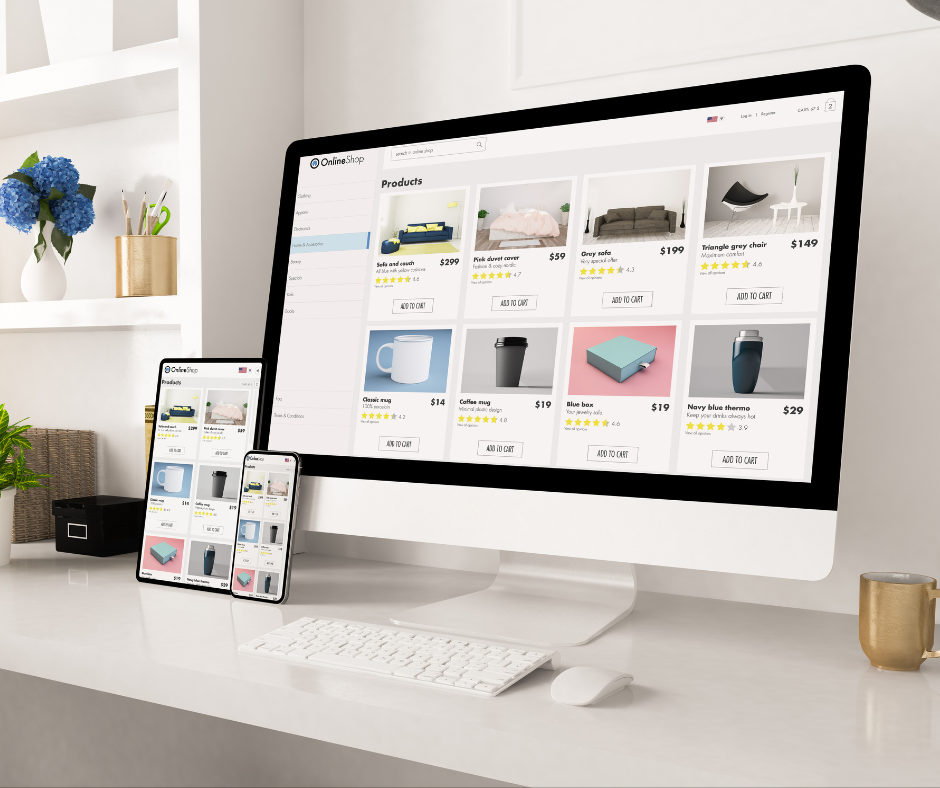
A professional website does more than look polished. It creates confidence, communicates clearly, and makes every interaction feel intentional.
Strong user experience is at the center of that impression. Visitors should understand where they are, what you offer, and what to do next.
Clean, Consistent Design
Professional websites use visual consistency to build trust. Colors, fonts, buttons, images, and spacing should feel connected across every page.
White space also matters. Giving content room to breathe makes information easier to scan and keeps important elements from competing for attention.
Simple Navigation
Visitors should never have to hunt for information. Clear menus and logical page structures create a smoother user experience.
Important pages should be easy to reach. Calls to action should also tell visitors exactly what happens next.
Fast, Mobile-Friendly Performance
A beautiful website can still feel unprofessional when it loads slowly or behaves poorly on mobile devices.
Responsive design helps content adapt naturally to different screen sizes. Fast performance reduces frustration and keeps visitors focused on your message.
Quality Content and Imagery
Professional design depends on professional content. Clear headlines, concise copy, and relevant images help communicate credibility.
Avoid clutter, generic messaging, and unnecessary visual effects. Every element should serve a purpose.
Trust at Every Step
Small details influence how visitors judge a business. Broken links, outdated information, inconsistent formatting, or confusing forms can quickly weaken trust.
A strong website feels maintained, secure, and easy to use. Contact information and other credibility signals should also be easy to find.
Professional Design Starts With the User

The best websites balance appearance with usability. Great design supports visitors instead of asking them to figure things out.
At Social Ubiquity, we approach web design with the complete user experience in mind. The goal is a website that looks credible, works smoothly, and helps turn attention into meaningful action.
Frequently Asked Questions
What makes a website look professional?
Consistency, clear navigation, quality content, responsive design, and strong visual hierarchy all contribute. A professional website should also feel easy and intuitive to use.
Why is user experience important in web design?
User experience affects how easily visitors can navigate, understand content, and complete actions. Better experiences can strengthen trust and encourage engagement.
Can a simple website still look professional?
Absolutely. Simplicity often improves professionalism when the design is intentional. Clear typography, strong spacing, focused content, and easy navigation can make a simple website highly effective.