1. What Is Color Psychology
Color psychology studies how colors affect human emotions and behavior. In digital marketing, colors influence how users feel about a brand before they read a single word.
First impressions happen fast. Color often shapes them.
2. Why Color Matters in Digital Marketing

Color affects attention, trust, and action. Strategic color use can:
- Improve brand recognition
- Increase engagement
- Guide user behavior
- Influence purchasing decisions
When colors align with brand values, messaging becomes clearer and more persuasive.
3. How Colors Influence Emotions and Actions
Red
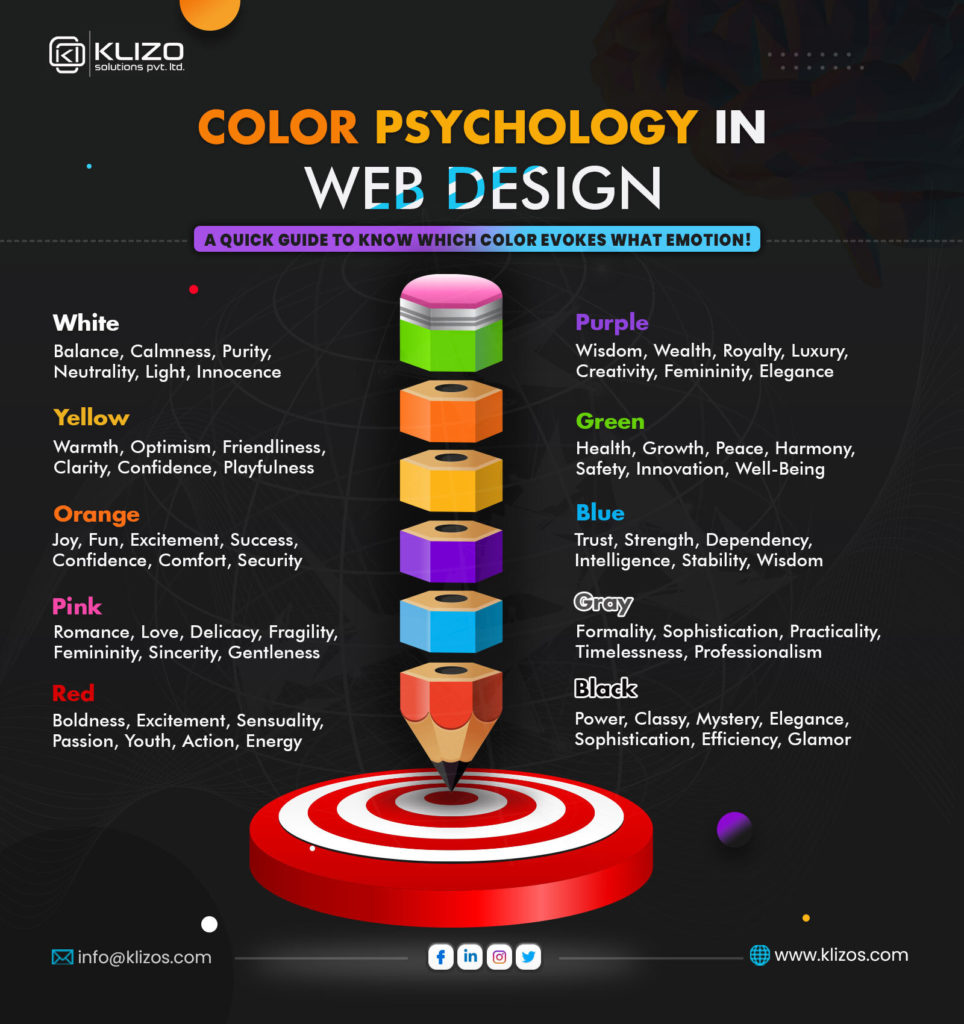
Red creates urgency and excitement. It is often used for sales, promotions, and call-to-action buttons.
Blue
Blue signals trust, reliability, and calm. Many financial, tech, and healthcare brands rely on blue to build credibility.
Green
Green represents growth, health, and balance. It works well for sustainability, wellness, and finance messaging.
Yellow
Yellow conveys optimism and attention. It can attract interest but should be used sparingly to avoid visual fatigue.
Orange
Orange feels energetic and friendly. It encourages action and works well for buttons and highlights.
Black
Black communicates luxury, authority, and sophistication. It is common in premium and high-end branding.
Purple
Purple suggests creativity and imagination. It is often associated with beauty, spirituality, and innovation.
4. Color and Brand Identity
Consistent color usage strengthens brand recognition. Audiences associate specific colors with specific brands over time.
Strong color identity helps:
- Build familiarity
- Reinforce brand values
- Create emotional connection
Changing colors too often can confuse audiences and weaken brand trust.
5. Color Psychology in Website Design
Website colors guide user flow and focus attention. Effective design uses contrast to highlight important elements like buttons, forms, and navigation.
Good color choices improve:
- Readability
- Accessibility
- Time on site
- Conversion rates
6. Using Color in Calls to Action
CTA colors should stand out without clashing. Contrast matters more than the color itself.
Test different CTA colors to see what drives clicks. Results often depend on audience, industry, and surrounding design.
7. Cultural and Audience Considerations
Colors can mean different things across cultures. For example, white may symbolize purity in some regions and mourning in others.
Always consider:
- Cultural context
- Target audience preferences
- Industry norms
Data and testing should guide final decisions.
8. Testing and Optimizing Color Choices
A/B testing is essential. Test variations in:
- Button colors
- Background colors
- Text contrast
Let performance data determine what works best rather than assumptions.
Conclusion
Color psychology plays a critical role in digital marketing success. The right colors shape perception, guide behavior, and strengthen emotional connection with your audience. By using color strategically and testing continuously, marketers can create more effective, engaging, and conversion-driven digital experiences.